
How to Catch Connecting Flights in Singapore
 By Sadia Jabeen · July 8, 2026 · 11 min read
Missing a connecting flight is one of the biggest worries for international travelers, especially if it’s their first trip through a major airport. Fortunately, Singapore’s Changi Airport has earned a reputation for making connections as easy as possible. Clear signage, efficient procedures, and excellent facilities allow millions of passengers to change flights every year without difficulty. Even so, a smooth connection depends on understanding what happens after your plane lands and knowing what to expect before your next departure. If you’ve never connected through Singapore, this guide explains everything you need to know. From managing your baggage to locating your gate, understanding how to take connecting flights in Singapore can make your trip much less stressful and help you travel with confidence.
Find out how much the air ticket may cost
Know your itinerary before you fly.

A successful connection starts long before your first flight takes off. When you receive your booking confirmation, take a few minutes to carefully review your itinerary. One of the most important things to check is whether both flights are booked under the same reservation. When your flights are booked on a single ticket, airlines typically transfer your checked baggage directly to your final destination. In most cases, you’ll receive boarding passes for both flights when you check in. This system offers greater protection, as if your first flight is delayed and you miss your connecting flight, the airline is usually responsible for helping you reach your destination.

Travelers who book separate tickets should pay particular attention. Some airlines may require you to collect your luggage, enter Singapore, recheck in, and go through security for your second flight. This process takes significantly longer, making a short layover much riskier. Understanding these details before departure is the first step to learning how to take connecting flights in Singapore without unnecessary complications.
Find out how much the hotel room may cost
Arrival at Singapore Changi Airport
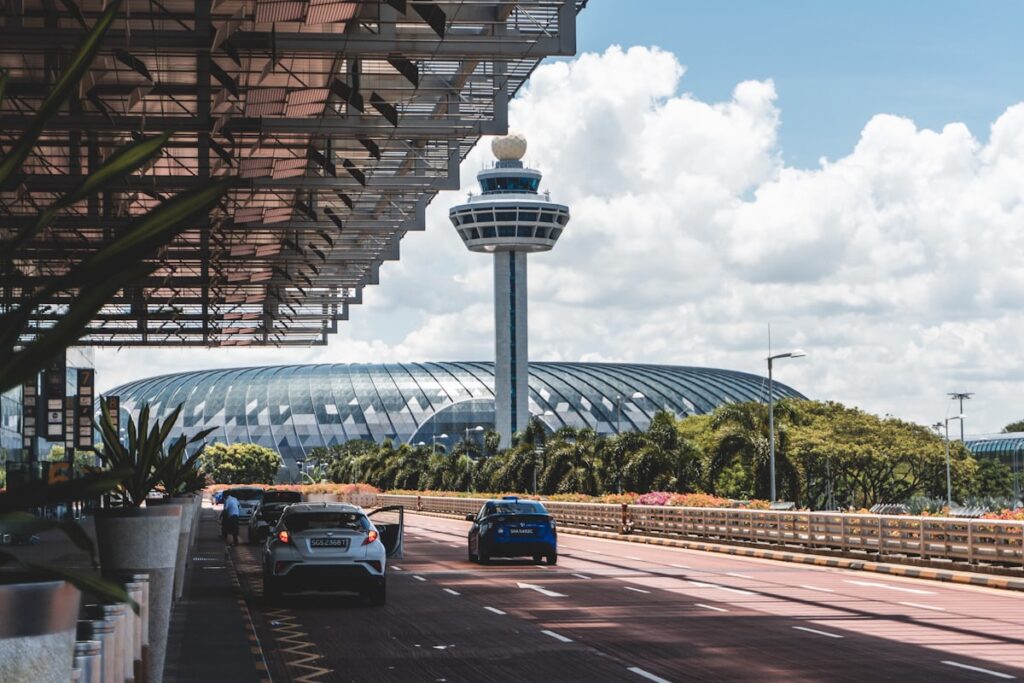
Once your plane lands, there’s no need to rush to the nearest exit. Instead, follow the signs for “Flight Transfers” or “Transfer.” These signs are displayed throughout the airport and are easy to spot. Singapore’s Changi Airport is specifically designed to handle numerous international transit passengers. Transfer routes are clearly separated from immigration areas, allowing travelers with connecting flights to continue their journey without leaving the secure transit area in many situations.
In all terminals, you’ll find electronic information screens with up-to-date departure information. Even if your boarding pass already shows your gate number, always check these screens, as airlines sometimes change gates after passengers have checked in. Confirming your gate will prevent you from getting lost in the wrong part of the airport.
Understanding Terminal Transfers
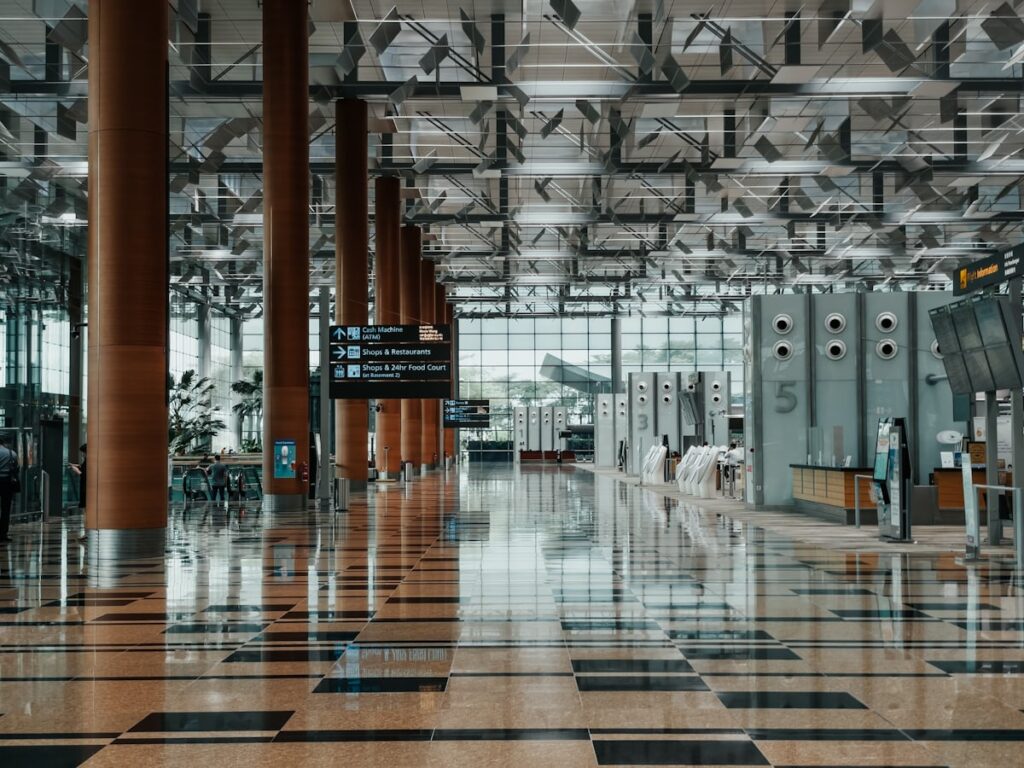
Singapore’s Changi Airport has several passenger terminals connected by the free Skytrain service. If your arriving and departing flights use different terminals, transferring between them is usually quick and easy. The Skytrain operates frequently throughout the day, while shuttle buses provide service during certain hours in the evening. Signage guides passengers from the arrival areas directly to the trains, so finding the right route is rarely difficult.
Although transfers between terminals are efficient, they do take time. Walking to the station, waiting for the next train, and reaching your gate can easily take 20 minutes or more, depending on your location. For this reason, it’s always advisable to head to your next gate before stopping to shop, eat, or explore the airport.
What about your checked baggage?
Many travelers worry about their luggage during international connections. Fortunately, baggage handling is usually straightforward. If your flights are booked together, your checked baggage is typically transferred automatically to your final destination. Even so, you should always confirm your destination when checking in at the departure airport. The baggage tag attached to your suitcase will indicate your final destination.
Passengers traveling with separate bookings may have different requirements. Depending on the airline and ticket conditions, they may need to collect their luggage upon landing, complete immigration procedures, and recheck in before boarding their connecting flight. Knowing how your luggage will be handled eliminates much of the uncertainty often experienced by those seeking information on connecting flights in Singapore.
Find out how much car rental may cost
Passing through Security
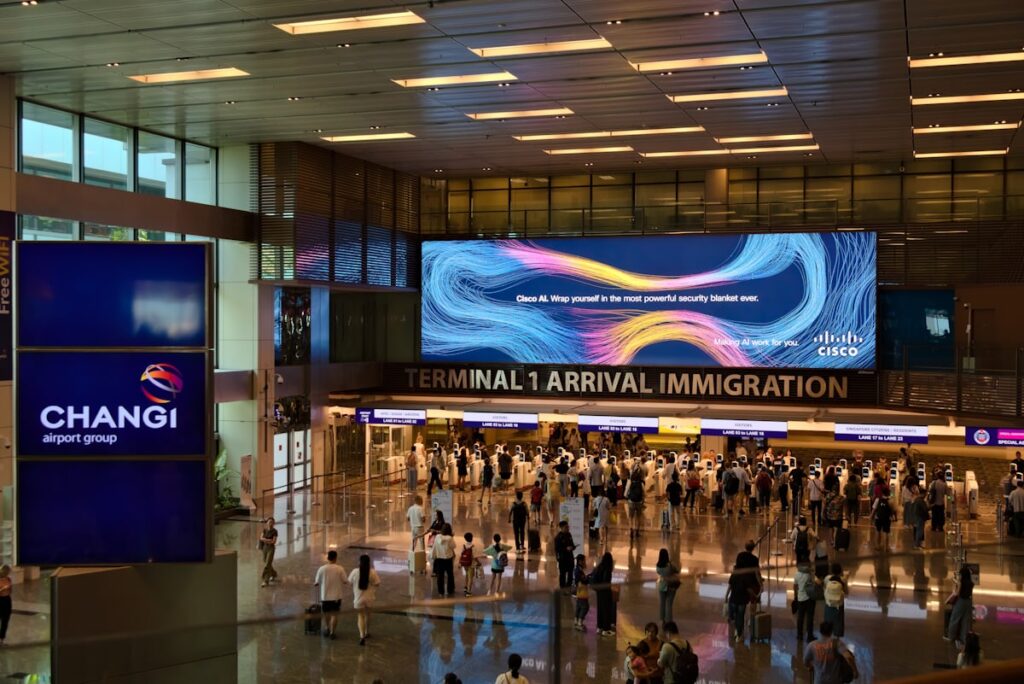
One feature that surprises many first-time visitors is that security checks at Changi Airport are usually conducted near the boarding gates, rather than immediately after entering the terminal. This means you can take the opportunity to explore shops or restaurants before heading to your gate. However, you should avoid arriving at the gate just before boarding begins, as security checks can involve queues, especially during peak times. Have your passport and boarding pass ready, remove your electronic devices if requested, and follow the security officers’ instructions. The process is usually quick, but arriving early helps avoid unnecessary stress.
How Much Layover Time Is Enough?
Every traveler wants a short connection that allows them to reach their destination quickly, but leaving too little time between flights can cause problems. A layover of approximately two hours is usually convenient when both flights are on the same booking. This provides enough time to deplane, transfer between terminals, and go through security, even if your onward flight is slightly delayed. If you’re traveling with separate tickets, it’s safest to allow at least three to four hours. Since you may have to collect your luggage and recheck it, the extra time reduces the risk of missing your connecting flight. Longer layovers also allow you to enjoy the airport instead of constantly watching the clock.
Find out how much an eSIM may cost
How to Make the Most of a Long Layover
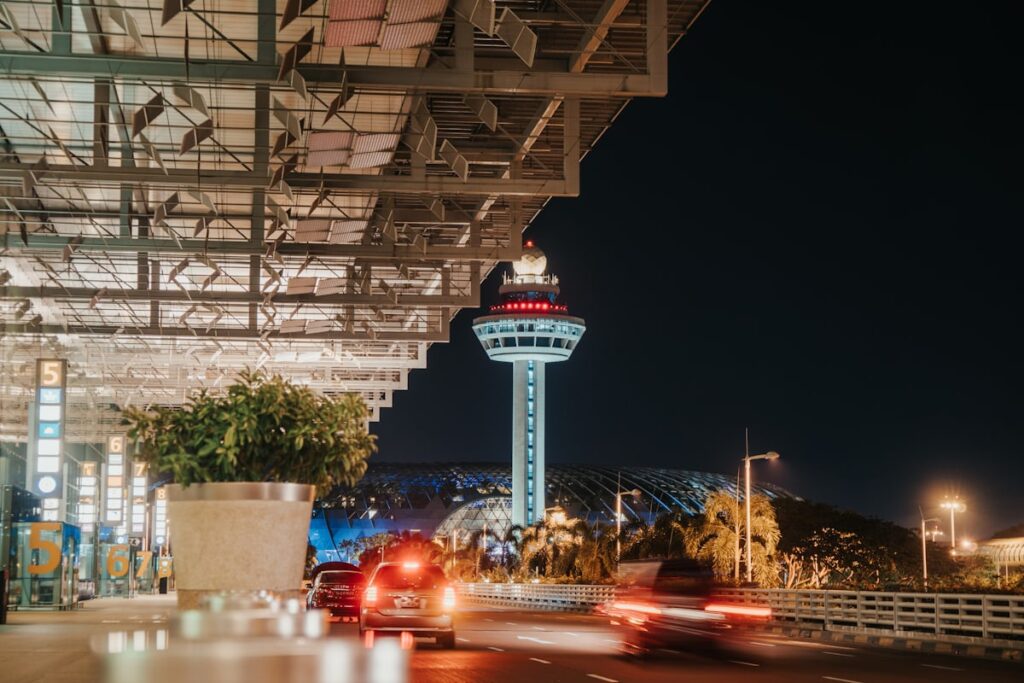
One of the reasons travelers enjoy layovers in Singapore is that the airport itself is considered a destination. Instead of simply waiting at the gate, passengers have access to numerous facilities designed to make long layovers more enjoyable. Comfortable waiting areas, charging stations, free Wi-Fi, restaurants with international cuisine, and a wide variety of shops are available in all terminals. Travelers can also relax in the airport’s VIP lounges, visit indoor gardens, or simply enjoy a quiet place to rest before continuing their journey.
If your layover lasts for several hours and you meet Singapore’s entry requirements, you can even choose to leave the airport and explore part of the city. Before doing so, always allow enough time to return, complete immigration formalities, and arrive at your gate well in advance.
What happens if your first flight is delayed?
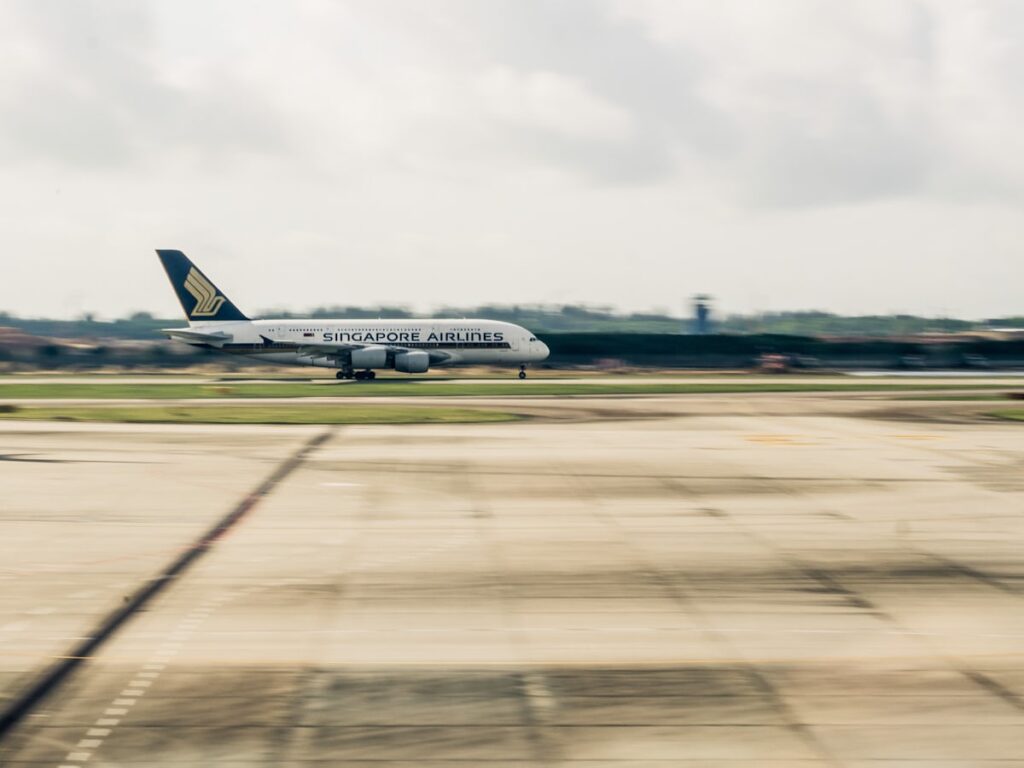
Flight delays are sometimes unavoidable due to weather conditions, technical difficulties, or air traffic congestion. What happens next largely depends on how your trip was booked. Passengers traveling with a single booking are generally protected by the airline. If on arrival delay causes you to miss your connection, the airline staff will usually arrange an alternative flight to your final destination. Passengers traveling with separate tickets often have less protection. Missing the second flight may require purchasing a new ticket, unless the airline offers flexibility according to its policies. Checking your flight status through your airline’s mobile app can help you stay informed throughout your trip.
Practical tips for a smooth connection:
Good preparation often makes the difference between a relaxed and a stressful trip. Keep your passport, boarding pass, and other travel documents in an easily accessible place, rather than crammed into the bottom of your carry-on bag. Charge your phone before boarding your first flight and consider bringing a power bank for longer journeys. Download your airline’s mobile app to receive notifications about gate changes or schedule updates.
It’s also important to pay attention to boarding times, not departure times. Boarding often closes well before the scheduled departure time, and arriving late to the gate could result in being denied boarding, even if the plane is still at the airport. These simple habits are especially valuable when learning to take connecting flights in Singapore, where moving efficiently through the airport contributes to a smooth experience.
Find out how much travel insurance may cost
Common Mistakes First-Time Travelers Make
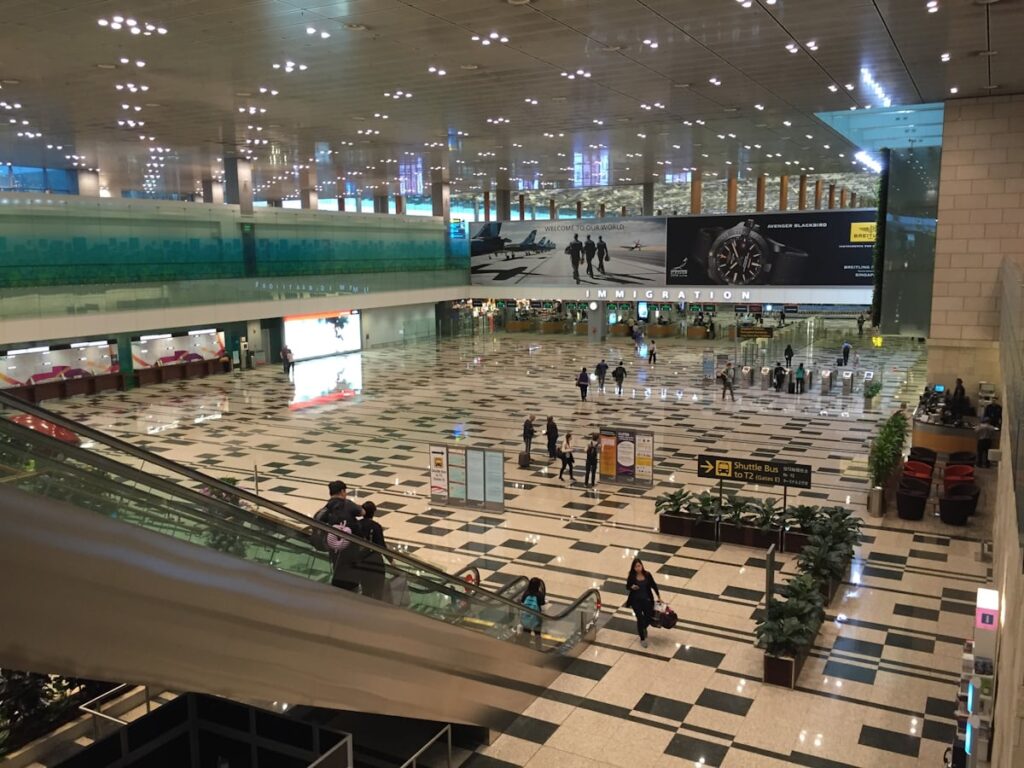
Many missed connections happen because of minor errors, not major problems. Some passengers assume their gate will never change, only to discover the plane is boarding from a different part of the terminal. Others get too caught up in shopping or eating without checking the time. Another common misunderstanding involves baggage. Sometimes, travelers believe all airlines automatically transfer luggage, only to find they must collect it and recheck it because their flights were booked separately.
Rushing through the airport can also create unnecessary anxiety. Changi Airport is designed to make passenger navigation easy, so calmly following the signs is often much more effective than trying to guess the fastest route. Avoiding these common mistakes makes understanding connecting flights in Singapore much simpler, especially for first-time international travelers.
In conclusion:
Connecting in Singapore is often one of the easiest parts of international travel. The airport’s smart design, efficient transfer system, and excellent passenger services allow travelers to change flights with minimal hassle. By reviewing your itinerary before departure, confirming how your luggage will be handled, monitoring your boarding gate, and allowing ample time for your connection, you can reduce stress and enjoy a much smoother travel experience.
Whether you’re traveling for business, studies, or a well-deserved vacation, taking a little time to understand how to navigate connecting flights in Singapore will help you move with confidence through one of the world’s busiest aviation hubs. The better prepared you are before landing, the smoother your connection will be, allowing you to focus on your destination rather than worrying about the journey between flights.
Follow Nanajee (Grandpa) Travels for cheap airline tickets, great hotel rooms and best deals on car rentals.
See world, save money, use Nanajee Travels
Other travel related blogs:
A
- Airlines Loyalty Programs – What, why and how
- Aegean Airlines Flights: Explore Greece in Style
- Air Canada Student Pass 2025: Your Ticket to Easy Travel
- Air Canada: Latest Flight Deals for Round-Trips
- A Comprehensive Guide to Popular Tourist Visas
- A comprehensive guide to business class flights
- Affordable Accommodations in Manchester: Top Budget Hotels for Your Next Stay
- Top 5 Adventure Spots in South America 2025
B
- Benefits & Tips – Car Rentals
- Best Airline Loyalty Programs for Free Flights in 2025
- Best hotel rewards programs in the world
- Best Places to Visit Spain in 2024
- Best Practices for Booking Group Travel
- Best Time to Book Flights for Cheap Deals
- Budget-Friendly Car Rental Hacks: How to Save Money
- Business Class vs. First Class on International Flights: Which One is Worth It?
- 9 Best Places for a Memorable Iftar Buffet in Dubai (2025)
- Best Family Hotels Mexico Riviera Maya
- 11 Best Places to See in Mangystau, Kazakhstan
- Budget Friendly Hotels in Paris for Family
C
- Cheap Flight Tickets from Toronto to New York City: Your Guide with Nanajee Travels
- Cheap Return Flights from Dubai to Islamabad Pakistan– June & July 2025 Deals
- Cheap Flights – Save money on airfare
- Cheap Hotels in London: Your Guide to Budget-Friendly Stays
- Christmas in the Maldives: Top 10 Places to Visit
- Christmas in Prague 2025: A Fairytale Winter Wonderland
- Cathay Pacific’s Latest Deals: Your Ticket to Affordable Luxury Travel
- Complete Guide to the Etihad Airways Loyalty Program
- Cheap Airline Tickets to Spain: Best Budget Flights
D
- Discover Tranquility: 10 Renewal Destinations for 2024
- Dreamy Destinations: 5 European Long Stays
- Discovering the Top 8 Luxury Hotels in London
- Discover the Best Eid al-Fitr Staycation Deals in the GCC
- Discover Edinburgh’s Best Luxury Hotels
- Discover the Latest Flight Deals to Europe:Your Guide to Affordable Travel
- Delta Business Class vs First Class on International Flights: What’s the Difference?
- Discover the Best Hotels in Las Vegas You’ve Never Heard Of
E
- Top 7 Emerging Travel Destinations in 2025 You Can Book Under $500
- Essential Tips to Plan Your First Trip to Dubai
- eSIM – An essential tool in traveling
- Exploring the Enchanting Beauty of Switzerland: Top Tourist Places
- Exploring Germany: Top 11 Must-Visit Destinations
- Emirates 777 Business Class Review 2024
- Earn 3,000 Bonus Miles with Frontier Airlines This January
- Earn 1,500 Bonus Hilton Honors Points on All Stays Worldwide
- Emirates Student Discounts – Fly Better, Fly Emirates
- Emirates Skywards Loyalty Program: Unlock the Best Travel Rewards
F
- Flight perfection: reveling the world’s top airlines
- Flight Insurance for Travel Migrants: Do You Need It?
- Fall Road Trips from Chicago You’ll Love
H
- How to Visit Thailand Cheaply from Pakistan in 2025: A Complete Guide
- Hotel rooms – Find best deals
- Hong Kong Airlines A330 Business Class Review Worth Or Not
- Heritage Horizons: Timeless Treasures Explored
- How to Redeem Hotel Points for Free Stays: A Complete Guide
- Hong Kong: Skyscrapers, Culture & Disney Magic
- How to Use Promo Codes for Last-Minute Car Rentals
- How to Find Cheap Flights: 10 Proven Tips That Actually Work
I
- Italy’s Top 6 Hotels and Their Nearby Attractions
- Introducing Saily eSIM: Affordable Data for Your Next Trip
- Is It Cheaper to Take a Red-Eye Flight?
J
L
- Las Vegas – The Sin City
- Last minute Hotel deals – tips and tricks
- Last-Minute Hotel Deals in Birmingham, AL – Your Ultimate Guide to Saving Big with Nanajee.com
- Los Angeles – The city of Angles
- Last-minute hotel deals for a new year’s eve
- Luxury Unleashed: The 6 Best Hotel Loyalty Program
- Lesser-Known Airlines for Budget Travel
- Luxurious Escapes: The Top Five Hotels in Singapore
- Last Minute City Breaks in 2024: An Ultimate Guide
- Latest Flight Deals for Students: 2025 Edition
- Lisbon Travel Guide: Discover Portugal’s Most Charming City
M
N
- Navigating international airports: Tips for travel migrants
- New Cities You Can Visit With Emirates in 2024
- New Travel Insurance Card: A Complete Guide
- Nanajee Travel Services Complete User Guide
P
Q
- Qantas Status Credit Cost A Comprehensive Guide
- Qatar vs Qantas Airlines: Latest Loyalty Program Updates
S
- Seoul Korea
- Student Flight Discounts: Never Pay Full Price Again
- Spain Visa Guide for Pakistani Citizens (2026)
- Singapore Airlines Business Class 777 Premium Experience
- Summer 2025 Car Rental Deals in Germany – Compare Prices at Nanajee.com
- Top 7 Budget Destinations in China
- Top European Travel Destinations for First Time Travellers