Booking a non-refundable hotel room might seem like a final decision. You pay, receive confirmation, and assume there’s no way around it if your plans change. However, booking a non-refundable hotel room doesn’t necessarily mean losing the entire amount paid. Hotels, booking platforms, airlines, and travel agencies typically have cancellation policies, but exceptions may sometimes apply. It depends on your reason for wanting to cancel, how quickly you contact the hotel, the terms of your booking, and whether the hotel will grant an exception. If you’ve already booked a room and want a refund, the most important thing is to understand the options actually available instead of immediately assuming you’ll lose your money.
What does “non-refundable” mean?

A non-refundable rate usually means that the standard cancellation policy doesn’t offer a cash refund for voluntary cancellations. These rates are often cheaper than flexible bookings because travelers accept stricter cancellation terms for the lower price.
For example, your booking might state that canceling after booking will incur a 100% cancellation fee. In this case, simply informing the hotel of a change in your travel plans is usually not enough to automatically entitle you to a refund. However, the phrase “non-refundable” doesn’t necessarily prevent the hotel from making an exception. The hotel may have the discretion to offer a full or partial refund, a date change, a credit, or another solution depending on the circumstances.
Find out how much the air ticket may cost
Check who processed your payment.
Before requesting a refund, carefully review your confirmation email and payment receipt. You may have booked directly through the hotel’s website, but many travelers book their accommodations through online travel agencies. In this case, the hotel may not be the entity responsible for processing your refund.
Seek the company name mentioned in your booking confirmation, payment receipt, and cancellation terms. If an online booking platform made your reservation, contact that platform first and explain the situation. If the hotel processes your payment directly, speak with their reservations team or reception. This is important because contacting the wrong person could lead to wasting valuable time, especially when the check-in time is approaching.
Ask for an Exception Instead of Demanding a Refund

When dealing with a non-refundable hotel reservation, your approach can make all the difference. Requesting an exception is usually more appropriate than simply asking for a refund. Explain the specific reason you can’t use the reservation and ask the hotel if they can consider the cancellation as an exception.
For example, you could explain that your flight was canceled, your travel documents were delayed, there was a medical emergency, or some other unforeseen circumstance prevented you from completing your trip. Don’t make up a reason. If the hotel requests evidence, you must be able to provide original supporting documentation. The person handling your request may have the authority to approve a solution that isn’t available under the normal booking terms.
Find out how much the hotel room may cost
When might a hotel consider a refund?
There’s no general rule that requires a hotel to refund all non-refundable reservations. However, certain circumstances may increase the likelihood of an exception being granted. These circumstances include a major disruption that makes the original stay impossible. If transportation to the destination is severely disrupted, the hotel may sometimes consider changing the reservation or offering an alternative arrangement.
Another possibility is a serious personal emergency. Depending on hotel policy, documentation may be required before management considers any exceptions. Your position may also be stronger if the hotel itself is unable to provide the accommodation you booked. For example, if the hotel cancels your reservation due to unavailability, this is different from canceling voluntarily.
The outcome depends on the booking terms and circumstances.
Ask to change the dates if a refund is denied. If the hotel refuses a refund, don’t necessarily end the conversation. Ask if it’s possible to move the reservation to a different date. The hotel may refuse a refund but may agree to a change of date, especially if the new dates are acceptable to them. The hotel may impose conditions, such as a grace period for using the reservation, a difference in the room rate, or a change fee. This can be helpful if you’re postponing your trip instead of canceling it altogether.
For example, instead of losing the entire reservation, you might be allowed to move a three-night stay from September to November. The possibility of this depends entirely on the hotel’s policy and the terms of your booking.
Find out how much an eSIM may cost
Request a Hotel Credit
Another option is a credit for a future stay. If the hotel doesn’t want a cash refund, ask if they can convert your payment into a credit that you can use later. A credit is not the same as cash. Before accepting it, inquire about its expiry date, no-show dates, room restrictions, and whether it can be transferred to someone else. Moreover, ask if you’ll have to pay more if your future booking costs more than your original booking. Documenting these details in writing will prevent any confusion later.
Make sure you have travel insurance.
Travel insurance can make a big difference. If you have travel insurance that covers the reason for your cancellation, you may be able to claim reimbursement for eligible accommodation expenses. It’s important to note that insurance doesn’t automatically cover all cancellations. Insurance policies include specific reasons for coverage, exclusions, documentation requirements, and claim deadlines.
For example, a cancellation simply because you changed your mind might not qualify. Some insurance policies may cover emergencies or certain documented travel disruptions. Read the terms of your insurance policy carefully instead of relying solely on the insurance announcement or summary. If the hotel refuses a refund, keep your booking confirmation, cancellation notice, receipts, correspondence, and any documents that prove the reason for the cancellation.
What if the hotel changes or cancels your booking?

Your situation differs if the hotel cancels your booking or makes significant changes to the property. A non-refundable hotel room generally means that the traveler cannot cancel the booking under normal conditions without a fee. This does not necessarily mean that the hotel can cancel the booking without a refund.
If the hotel informs you that the room is unavailable, they may offer you another room, transfer you to a different hotel, reschedule your stay, or issue a refund, depending on the circumstances and applicable booking terms. Do not accept any alternative arrangements immediately until you are certain they are equivalent to what you originally booked. If you booked through an online travel agency, contact the platform if the hotel cannot resolve the issue directly.
Find out how much travel insurance may cost
What if I’m charged after canceling?
Check the cancellation terms carefully before disputing the payment. Sometimes travelers may think they canceled within the allowed timeframe, when in fact the booking had a strict cancellation deadline. Time zone differences can also affect international bookings. If you believe the hotel charged you incorrectly, contact the hotel or booking platform and provide your cancellation confirmation.
Ask them to explain the reason for the charge and request a correction if it doesn’t comply with the booking terms. Keep all emails, cancellation numbers, screenshots, and receipts. Written evidence is invaluable if you need to escalate the issue later.
Can I dispute the charge with my card issuer?
Disputing your card should not be considered an easy way to circumvent a hotel’s cancellation policy. If you voluntarily booked a room with clear, non-refundable terms and conditions and then changed your plans, a card dispute may not automatically cancel the charges.
However, a payment dispute may be appropriate if there is a genuine issue with the invoice, such as an unauthorized transaction, charges that violate the agreed-upon terms, or a service-related problem that falls under your card issuer’s dispute policy. Before initiating a dispute, gather your booking confirmation, cancellation policy, correspondence, and any other evidence that supports your claim. Your card issuer will determine whether the transaction qualifies for their dispute procedure.
How to Contact the Hotel
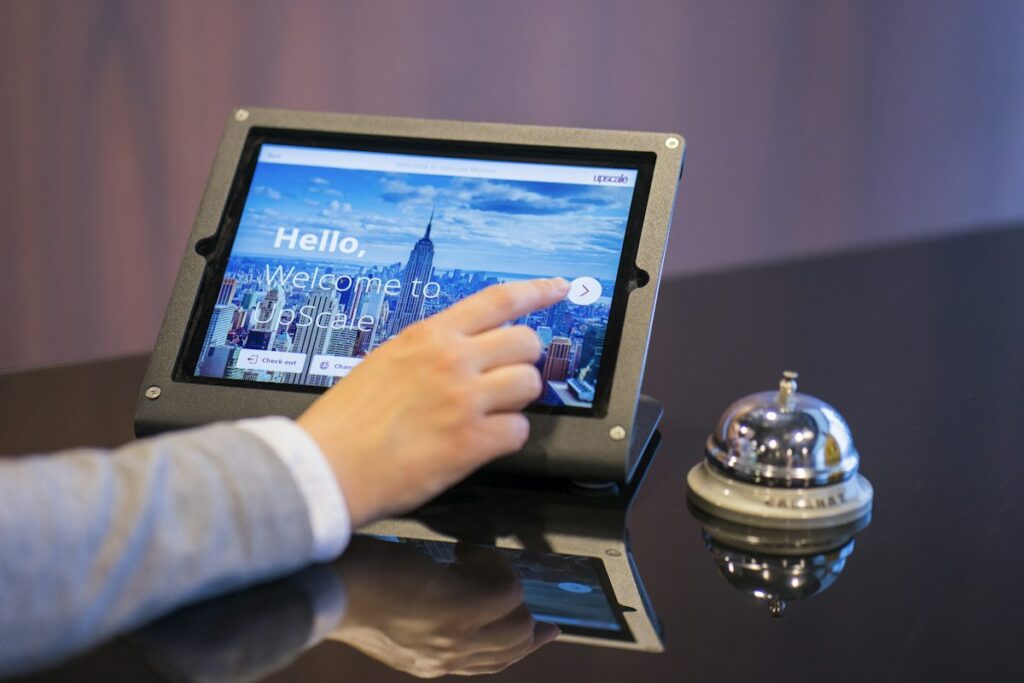
For the best chance of a resolution, contact the hotel or booking platform as soon as possible. Include your booking number, guest name, dates of stay, amount paid, and a brief explanation of the situation. Avoid sending a lengthy, emotional message. Clearly state what happened and the solution you are requesting.
For example, you could ask if they can offer a full refund, a partial refund, a date change, or a future credit. If the first staff member cannot approve the exception, politely request that the request be reviewed by a supervisor or hotel manager.
Read the final cancellation confirmation.
Once the hotel or booking platform approves the refund, change, or credit, request written confirmation. Do not rely solely on the phone call. The confirmation should clearly state what was agreed upon, including the refund amount and details of the new booking. If the refund is approved, inquire about its processing time and how long it might take for the payment provider to issue the refund. Keep this confirmation until the funds actually appear in your account.
Final Thoughts:
You’re not guaranteed a refund for a non-refundable hotel room booking. Standard cancellation policies may allow the hotel to retain your payment, especially if you simply change your plans. However, a non-refundable booking doesn’t mean you have no options.
Contact your booking provider immediately, explain the real reason for your cancellation, and inquire about any possible exceptions. If a cash refund is denied, consider requesting a date change or hotel credit. If the issue involves an insured travel event, consult your travel insurance policy. If you believe you were overpaid, keep evidence and notify the company that made the booking.
The key is to focus on the specific terms of your booking rather than assuming all non-refundable bookings are subject to the same rules. Your booking confirmation, cancellation policy, and the surrounding circumstances will determine the actual amount you can expect to receive.
Follow Nanajee (Grandpa) Travels for cheap airline tickets, great hotel rooms and best deals on car rentals.
See world, save money, use Nanajee Travels
Other travel related blogs:
Flights & Airfare
- Cheap Flights – Save money on airfare
- Cheap Flight Tickets With Checked Baggage
- Confirmed Flight Ticket but Denied Boarding — Why?
- How to Find Cheap Flights: 10 Proven Tips That Actually Work
- Best Time to Book Flights for Cheap Deals
- Cheap Flight Tickets from Toronto to New York City: Your Guide with Nanajee Travels
- Cheap Return Flights from Dubai to Islamabad Pakistan– June & July 2025 Deals
- Cheap Airline Tickets to Spain: Best Budget Flights
- Discover the Latest Flight Deals to Europe:Your Guide to Affordable Travel
- Best Flights to the Middle East
- Is It Cheaper to Take a Red-Eye Flight?
- Difference Between Direct, Nonstop and Connecting Flights
- How to Catch Connecting Flights in Singapore
- Pakistan to Thailand Flight: 7 Common Transit Mistakes
Airlines & Airline Deals
- Aegean Airlines Flights: Explore Greece in Style
- Air Canada: Latest Flight Deals for Round-Trips
- Cathay Pacific’s Latest Deals: Your Ticket to Affordable Luxury Travel
- JetBlue Deals: Save Up to $750 on Flights and Hotels
- Flight perfection: reveling the world’s top airlines
- Lesser-Known Airlines for Budget Travel
- New Cities You Can Visit With Emirates in 2024
Student Flights & Discounts
- Air Canada Student Pass 2025: Your Ticket to Easy Travel
- Latest Flight Deals for Students: 2025 Edition
- Student Flight Discounts: Never Pay Full Price Again
Airline Loyalty & Frequent Flyer Programs
- Airlines Loyalty Programs – What, why and how
- Best Airline Loyalty Programs for Free Flights in 2025
- Complete Guide to the Etihad Airways Loyalty Program
- Qatar Airways Privilege Club Guide
- Qantas Status Credit Cost A Comprehensive Guide
- Qatar vs Qantas Airlines: Latest Loyalty Program Updates
Business & First Class
- A comprehensive guide to business class flights
- Business Class vs. First Class on International Flights: Which One is Worth It?
- Delta Business Class vs First Class on International Flights: What’s the Difference?
- Hong Kong Airlines A330 Business Class Review Worth Or Not
- Singapore Airlines Business Class 777 Premium Experience
- Airport Lounge Access Without Business Class
Hotels & Accommodation
- Hotel rooms – Find best deals
- Cheap Hotels in London: Your Guide to Budget-Friendly Stays
- Affordable Accommodations in Manchester: Top Budget Hotels for Your Next Stay
- Budget Friendly Hotels in Paris for Family
- Best Family Hotels Mexico Riviera Maya
- Discovering the Top 8 Luxury Hotels in London
- Discover Edinburgh’s Best Luxury Hotels
- Discover the Best Hotels in Las Vegas You’ve Never Heard Of
- Italy’s Top 6 Hotels and Their Nearby Attractions
- Luxurious Escapes: The Top Five Hotels in Singapore
- How to Get a Free Hotel Room Upgrade: The Simple Truth
- When Your Hotel Booking Failed but Money Was Deducted
Hotel Deals, Rewards & Upgrades
- Last minute Hotel deals – tips and tricks
- Last-Minute Hotel Deals in Birmingham, AL – Your Ultimate Guide to Saving Big with Nanajee.com
- Last-minute hotel deals for a new year’s eve
- Best hotel rewards programs in the world
- Luxury Unleashed: The 6 Best Hotel Loyalty Program
- How to Redeem Hotel Points for Free Stays: A Complete Guide
- How to Get a Free Hotel Room Upgrade: The Simple Truth
- When Your Hotel Booking Failed but Money Was Deducted
Car Rentals
- Benefits & Tips – Car Rentals
- Budget-Friendly Car Rental Hacks: How to Save Money
- How to Use Promo Codes for Last-Minute Car Rentals
- Summer 2025 Car Rental Deals in Germany – Compare Prices at Nanajee.com
- Cross-Border Car Rentals: Rules, Insurance, and Travel Tips
Visas & Immigration
- A Comprehensive Guide to Popular Tourist Visas
- Spain Visa Guide for Pakistani Citizens (2026)
- How to Visit Thailand Cheaply from Pakistan in 2025: A Complete Guide
Travel Guides & Destinations
- Best Places to Visit Spain in 2024
- Top 5 Adventure Spots in South America 2025
- 11 Best Places to See in Mangystau, Kazakhstan
- Top 7 Budget Destinations in China
- Top European Travel Destinations for First Time Travellers
- Lisbon Travel Guide: Discover Portugal’s Most Charming City
- Hong Kong: Skyscrapers, Culture & Disney Magic
- 14 must see places in Tokyo JAPAN
- Paris – The city of Love & Life
- Seoul Korea
- Las Vegas – The Sin City
- Los Angeles – The city of Angles
- Heritage Horizons: Timeless Treasures Explored
- Discover Tranquility: 10 Renewal Destinations for 2024
- Dreamy Destinations: 5 European Long Stays
- Last Minute City Breaks in 2024: An Ultimate Guide
- Christmas in the Maldives: Top 10 Places to Visit
- Christmas in Prague 2025: A Fairytale Winter Wonderland
- Fall Road Trips from Chicago You’ll Love
- Discover the Best Eid al-Fitr Staycation Deals in the GCC
Airport, Baggage & Travel Tips
- Navigating international airports: Tips for travel migrants
- Lost Baggage at the Airport? 7 Steps to Take Immediately
- Pakistan to Thailand Flight: 7 Common Transit Mistakes
- Airport Lounge Access Without Business Class
Travel Insurance
eSIM & Travel Services
- Introducing Saily eSIM: Affordable Data for Your Next Trip
- Nanajee Travel Services Complete User Guide
Group & General Travel Planning
Related Posts

Pakistan to Thailand Flight: 7 Common Transit Mistakes
Taking a flight from Pakistan to Thailand is an exciting…

Last-Minute Hotel Deals for a New Year’s Eve
The most anticipated night of the year is almost approaching,…

Budget Flights to Greece And Best Airlines
Greece is one of the most beloved destinations in the…